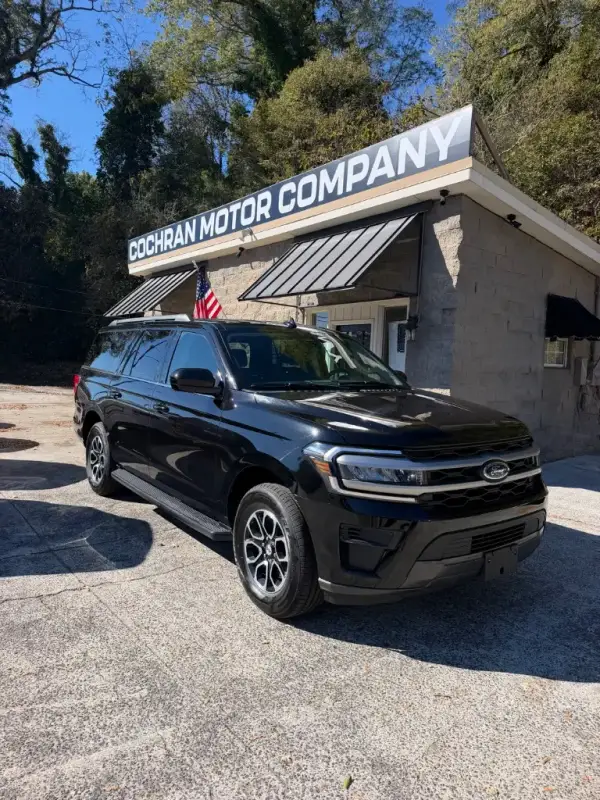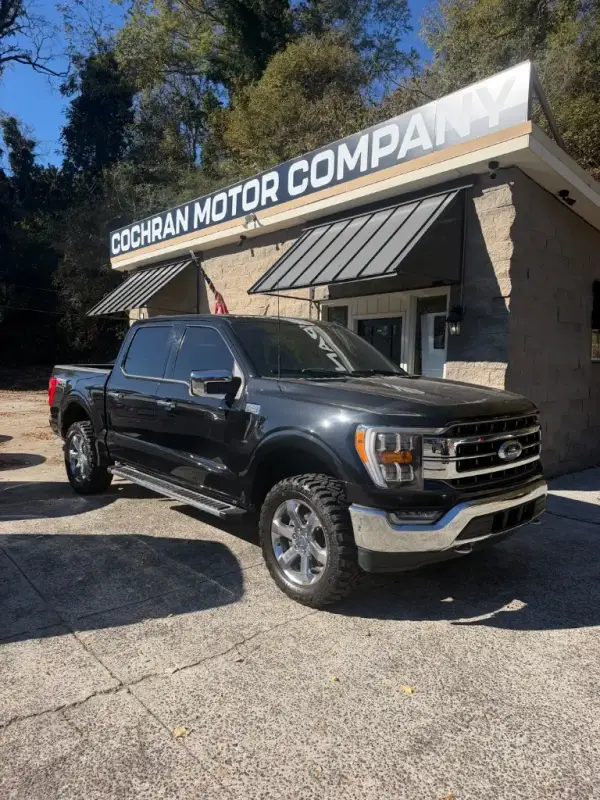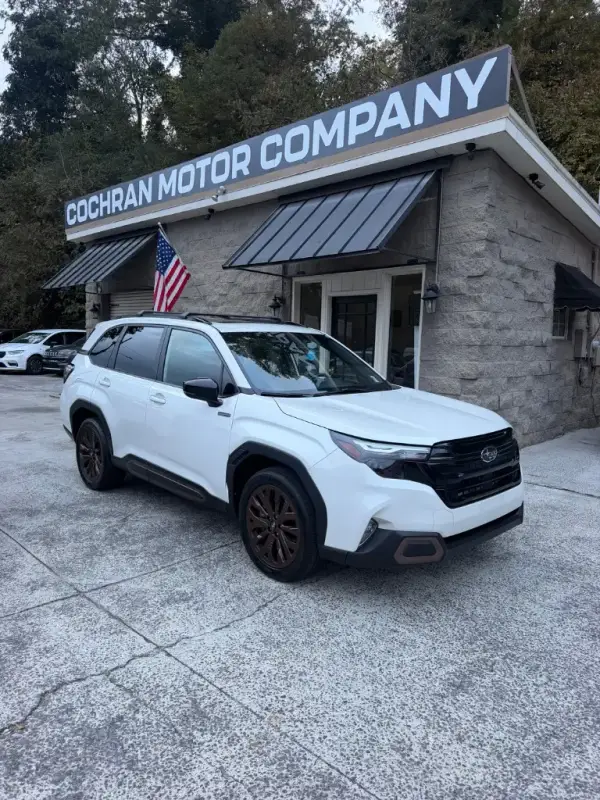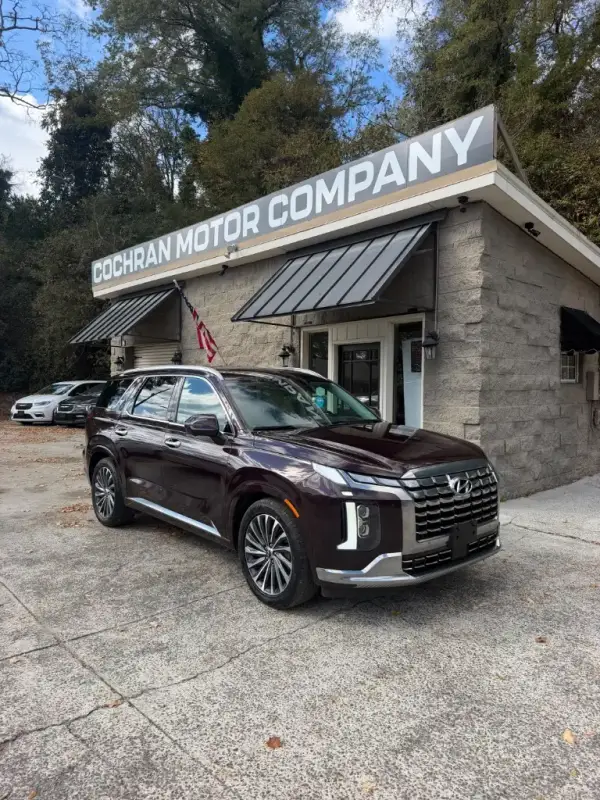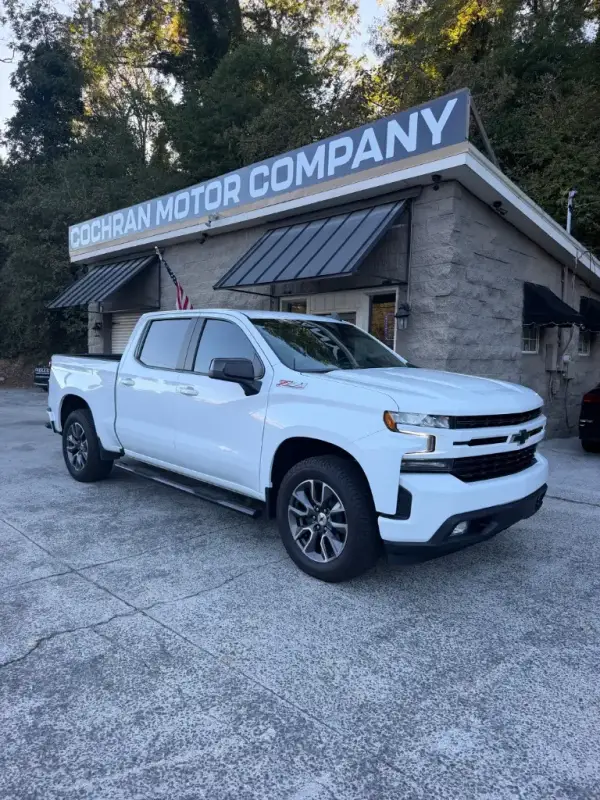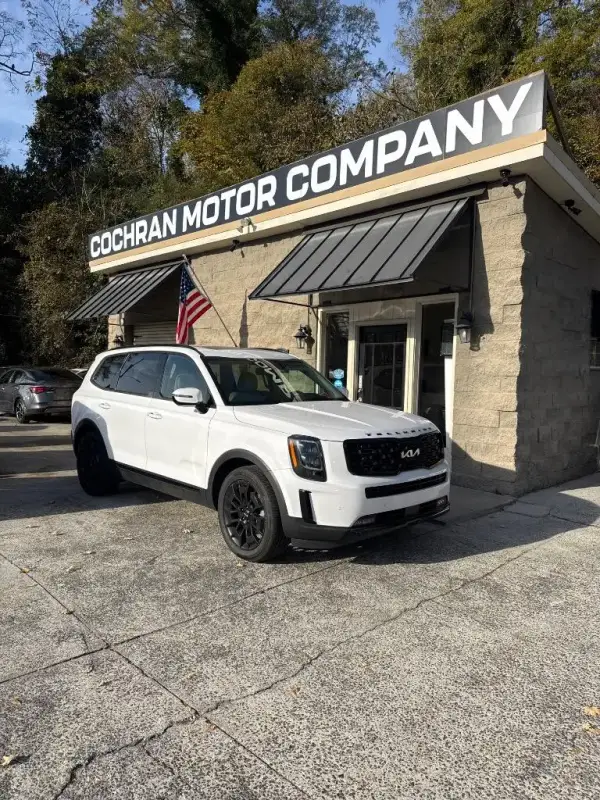
1023 N Broad St
Rome, GA 30161
1023 N Broad St
Rome, GA 30161
In a private sale in Georgia, ownership passes on two documents: the title and a bill of sale. The Department of Revenue publishes its own bill of sale, Form T-7. Here is what it records, who signs it, and what the seller and the buyer each do once it is signed.
A Georgia bill of sale records the vehicle, the sale and the people in it: the VIN, year, make and model, the odometer reading, the date of sale and the purchase price, the full legal names and mailing addresses of the seller and the buyer, any lienholder, and a signature and date from each of them. The state's version is Form T-7, a one-page PDF from the Department of Revenue.
It does not replace the title. The T-7 itself says a Georgia title is required when the vehicle sold is a 1986 or newer model year motor vehicle, so on those the bill of sale goes with the title.
The form has five sections. It says it must be completed in its entirety, legibly printed or typed, and that any correction or alteration will void it.
The T-7 explains that federal regulations require the seller to disclose the odometer reading, and the buyer to acknowledge it, when ownership of a vehicle changes hands, unless the vehicle is exempt. Vehicles 20 model years old or older are exempt, and for one of those the seller may write the word exempt where the reading goes.
On a titled vehicle, the reading also goes on the title. The department's odometer webpage has the seller enter the actual mileage on the transfer document and the buyer print their name and sign to acknowledge it.
The department's steps for selling a car start with the assignment form on the back of the original title. Its instructions for that form ask for blue or black ink; the buyer's full legal name as it appears on their Georgia driver's license or ID card; the buyer's current address; the date of sale; and the odometer reading in whole miles. Each seller prints and signs, and so does each buyer. It warns that any alteration or erasure may void the title.
Two rules the department states plainly: never sign a title that has been left blank, and do not give or accept a title where the assignment has been signed without the buyer's name entered. Georgia Code 40-3-91(c) makes delivering or accepting a title assigned in blank a misdemeanor.
Older vehicles work differently. Georgia does not require a title on a 1962 or older model year vehicle, and the department lists titles as optional for 1963 to 1985 models (its list). For a 1985 or older vehicle that has no title, its private-sale webpage asks for a bill of sale, plus a completed Form T-22B Certification of Inspection if the vehicle has not been registered in Georgia before. Its webpage on registering a vehicle without a title lists an original signed bill of sale, running from the registered owner up through the current owner, as one way to show the chain of ownership.
The seller, according to the department's webpages on selling a car and on sellers and buyers:
The buyer, according to the same sellers and buyers webpage and the private-sale webpage:
The T-7 itself goes to the tag office in the county where the primary buyer lives, with the required documents and the tax. The department keeps the list of county tag offices. On a private sale the tax is worked out on the vehicle's value in the state's assessment manual, and a trade-in does not reduce it; how that tax works is in our title, tag and tax guide.
Buying from a dealer puts the title application on the dealer. The department's buying webpage says the dealer is required to file the title application on your behalf and tells you to make sure the dealer gives you a receipt showing the vehicle has been titled in your name. You then have 30 days from the date of purchase to register.
Selling works the other way around. If you would rather not handle a private sale, we buy vehicles outright as well as taking them in trade, and you do not have to buy anything from us to sell us yours.
Sell or trade in your car in Rome ›
The Department of Revenue's steps for selling a car include completing its Form T-7 bill of sale along with the assignment on the back of the title, and it tells sellers to keep a copy of the transfer, the title and the bill of sale included, for their records. For a 1985 or older vehicle that has no title, its webpage on private sales asks for a bill of sale.
The state's Form T-7 asks for the VIN, year, make and model, the odometer reading with no tenths, the date of sale and the purchase price; the full legal names and mailing addresses of the seller and the buyer; any lienholder; and the signature and date of each seller and each buyer. The form says it must be completed in its entirety and that any correction or alteration will void it.
It is Form T-7, a one-page PDF on the Department of Revenue's website.
No. The Department of Revenue tells sellers that the plates do not transfer with the vehicle to the new owner. The seller keeps them and cancels the registration, and the department says to cancel the registration before canceling the insurance on that vehicle.
The Department of Revenue's webpage on private sales says the title and registration must be completed within seven days of the purchase date, at the tag office in the county where the buyer lives.
Vehicles 20 model years old or older are exempt from the federal odometer disclosure requirement. On the T-7, the seller of one of those may write the word exempt in the space for the odometer reading.
Georgia Department of Revenue: Form T-7, Bill of Sale ›
Georgia Department of Revenue: selling a car ›
Georgia Department of Revenue: sellers and buyers ›
Georgia Department of Revenue: private sales ›
Georgia Department of Revenue: transferring a title ›
Georgia Department of Revenue: odometer disclosure ›
What is on the lot in Rome today.